A properly installed roof is the foundation of a safe, durable, and aesthetically appealing home. Roofing installation is a critical investment that safeguards your property from harsh weather, enhances energy efficiency, and increases the overall value of your home. Hiring professional roofing installation services ensures that the job is done correctly, using high-quality materials and expert techniques to deliver long-lasting protection and peace of mind. Experienced roofing contractors provide comprehensive solutions, from consultation and material selection to installation, finishing, and maintenance.
Understanding Roofing Installation
Roofing installation involves the process of constructing or replacing a roof on residential or commercial properties. A professional contractor begins by assessing the existing roof structure, determining the appropriate materials, and developing a detailed installation plan. Proper installation ensures structural integrity, water resistance, energy efficiency, and compliance with local building codes. Skilled contractors also provide guidance on design choices, color options, and roofing systems that match the home’s style and budget.
Types of Roofing Materials
Choosing the right roofing material is a crucial aspect of installation. Professional roofing contractors offer expertise in a wide range of roofing options, including:
Asphalt Shingles
Asphalt shingles are the most widely used roofing material due to their affordability, durability, and ease of installation. Available in a variety of colors and styles, asphalt shingles can last 20 to 30 years when installed correctly and maintained regularly.
Metal Roofing
Metal roofing is known for its longevity, durability, and energy efficiency. It resists extreme weather conditions, requires minimal maintenance, and can last 40 to 70 years. Metal roofs are ideal for homeowners seeking a modern, sustainable roofing option.
Tile Roofing
Clay and concrete tiles offer exceptional durability, fire resistance, and aesthetic appeal. Tile roofing can last over 50 years with proper installation and maintenance. Due to its weight, tile roofing requires a strong underlying structure, which professional contractors ensure during installation.
Wood Shingles and Shakes
Wood shingles and shakes provide a natural and rustic look. Proper installation and regular maintenance, including treatment against rot, mold, and insects, allow wood roofs to last 25 to 30 years. Contractors ensure proper ventilation and installation techniques to prevent warping or cracking.
Slate Roofing
Slate is a premium roofing material that offers unparalleled longevity and elegance. Slate roofs can last over 100 years. Installation requires specialized expertise due to the material’s weight and fragility, making professional contractors essential for quality results.
The Roofing Installation Process
Professional roofing installation involves multiple stages to ensure a secure, long-lasting roof. Contractors follow a structured process to guarantee high-quality results:
Inspection and Assessment
The installation process begins with a thorough inspection of the existing roof structure. Contractors evaluate the condition of decking, supports, and insulation, identifying any potential issues that may affect installation. Proper assessment ensures that the new roof is installed safely and effectively.
Material Selection and Planning
Based on the homeowner’s needs, preferences, and budget, the contractor recommends suitable roofing materials. Considerations include durability, weather resistance, aesthetic appeal, and maintenance requirements. A detailed installation plan, including timelines and cost estimates, is provided before work begins.
Preparation and Demolition
If replacing an existing roof, contractors carefully remove old roofing materials, flashing, and damaged components. Debris is safely disposed of, and the structure is prepared for the new installation. Proper preparation prevents future issues and ensures a smooth installation process.
Installation of Underlayment and Flashing
Underlayment serves as an additional protective layer against water infiltration. Professional contractors install high-quality underlayment and flashing around roof edges, chimneys, vents, and skylights to prevent leaks and enhance durability. Proper installation of these components is critical for long-term protection.
Roofing Material Installation
The selected roofing materials, such as shingles, tiles, or metal panels, are installed with precision and care. Contractors follow manufacturer specifications and best practices to ensure proper alignment, secure fastening, and optimal performance. This stage determines the roof’s durability, weather resistance, and visual appeal.
Finishing and Inspection
After the roofing materials are installed, contractors apply finishing touches, including ridge caps, ventilation systems, gutters, and sealants. A thorough inspection ensures that the roof is installed correctly, adheres to building codes, and meets quality standards. Homeowners are also guided on maintenance practices to extend the life of their new roof.
Benefits of Professional Roofing Installation
Hiring professional roofing contractors for installation provides numerous advantages:
Expertise and Experience
Professional contractors bring years of experience and technical knowledge to each project. They understand local weather patterns, building codes, and material performance, ensuring a reliable and long-lasting roof.
Quality Materials and Tools
Licensed contractors have access to high-quality roofing materials and advanced tools, which contribute to the durability and aesthetic appeal of the roof. Proper installation techniques minimize the risk of leaks, warping, or damage.
Safety and Compliance
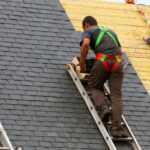
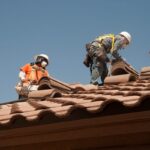
Roofing installation involves working at heights and handling heavy materials. Professional contractors follow strict safety protocols and adhere to local building codes, reducing the risk of accidents and ensuring compliance with regulations.
Time Efficiency
Experienced contractors complete roofing installations efficiently, coordinating schedules and trades to minimize disruption. Timely project completion prevents exposure to weather damage and maintains homeowner convenience.
Warranty and Support
Professional roofing installation often comes with warranties on materials and workmanship. Contractors provide ongoing support, including maintenance guidance, inspections, and repairs, offering homeowners peace of mind.
Residential vs. Commercial Roofing Installation
While residential roofing focuses on homes, contractors also specialize in commercial properties, including offices, warehouses, and retail spaces. Commercial roofing installations may involve flat roofs, specialized drainage systems, and industrial-grade materials. Regardless of property type, professional contractors ensure quality, durability, and compliance with all safety standards.
Roof Maintenance After Installation
Proper maintenance is essential to maximize the lifespan of a new roof. Contractors recommend routine inspections, cleaning debris from gutters, checking flashing and seals, and addressing minor repairs promptly. Seasonal maintenance and emergency inspections after storms help prevent water infiltration, structural damage, and costly repairs.
Energy Efficiency and Sustainability
Modern roofing installations prioritize energy efficiency and sustainability. Contractors can recommend reflective roofing materials, insulated underlayment, and energy-efficient ventilation systems to reduce heat absorption and lower utility bills. Sustainable materials, such as recycled shingles or metal roofing, minimize environmental impact while providing long-term durability.
Emergency Roofing Installation Services
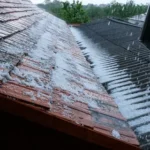
Storms, hurricanes, and severe weather can damage roofs suddenly, requiring immediate attention. Emergency roofing installation services provide rapid response to protect homes from further damage. Contractors perform temporary repairs, secure the structure, and install permanent solutions efficiently and safely. Prompt action prevents water infiltration, structural compromise, and long-term damage.
Choosing the Right Roofing Contractor
Selecting the right contractor is crucial for a successful roofing installation. Homeowners should look for licensed, insured, and experienced companies with a proven track record. Checking references, reading reviews, and viewing completed projects helps assess quality, reliability, and professionalism. A reputable contractor provides clear estimates, detailed timelines, and warranties, ensuring a smooth and trustworthy installation process.
Conclusion
Professional roofing installation is essential for protecting homes from the elements, enhancing energy efficiency, and increasing property value. Experienced contractors provide comprehensive services, including consultation, material selection, precise installation, finishing, and ongoing maintenance. From asphalt shingles to metal, tile, and slate roofing, professional installation ensures durability, aesthetic appeal, and long-term performance. Hiring licensed and insured roofing contractors guarantees safety, compliance with building codes, and expert craftsmanship. Investing in professional roofing installation not only safeguards your home but also enhances comfort, security, and curb appeal, making it a smart and lasting investment for any homeowner.