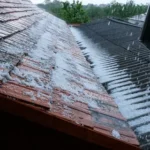
Roof hail damage is one of the most common and destructive problems homeowners face after severe weather. Hailstorms can strike suddenly and cause serious damage that is not always visible from the ground. Even small hailstones can weaken roofing materials, shorten roof lifespan, and lead to costly leaks if left unaddressed.
Understanding how hail damages a roof, how to identify the signs, and what steps to take afterward can help homeowners protect their property and avoid long-term issues.
What Is Roof Hail Damage
Roof hail damage occurs when hailstones strike roofing materials with enough force to crack, dent, loosen, or dislodge them. The severity of damage depends on hail size, wind speed, storm duration, and the age and material of the roof.
While some hail damage is obvious, other forms are subtle and may worsen over time. Even minor impacts can compromise the protective layers of a roof, allowing moisture to seep in and cause internal damage.
How Hail Damages Different Roofing Materials
Different roofing materials respond differently to hail impact, and a professional roofing contractor can accurately identify the extent of damage. Asphalt shingles, the most common roofing material, are especially vulnerable to hailstorms. Hail can knock off protective granules, crack shingles, or create hidden bruises that weaken the shingle mat underneath, issues that an experienced roofing contractor can detect during a detailed inspection.
Metal roofs may dent when hit by large hailstones. While dents may not always affect performance, severe impacts can loosen fasteners or damage seams. Tile roofs, including clay and concrete, can crack or shatter upon impact. Wood shingles may split, while slate roofs can crack or break entirely due to hail force.
Each type of roofing material requires professional evaluation after a hailstorm.
Common Signs of Roof Hail Damage
Some signs of roof hail damage are easy to spot, while others require a trained eye. Visible indicators include missing or cracked shingles, dented flashing, damaged vents, and exposed underlayment. You may also notice granules collecting in gutters or downspouts.
Interior signs can include water stains on ceilings, damp insulation, mold growth, or unexpected leaks. Damage to siding, windows, gutters, and outdoor equipment often signals that the roof may also be affected.
Why Roof Hail Damage Should Not Be Ignored
Ignoring roof hail damage can lead to serious consequences. Damaged shingles lose their ability to shed water properly, increasing the risk of leaks and rot. Over time, moisture intrusion can damage roof decking, insulation, and interior structures.
Hail damage also reduces the lifespan of a roof and can void manufacturer warranties if not repaired promptly. What starts as minor surface damage can turn into major structural issues and expensive repairs.
Professional Roof Inspection After Hailstorms
A professional roof inspection is essential after a hailstorm, even if no obvious damage is visible. Roofing professionals know how to identify hidden hail damage that homeowners may miss.
During an inspection, contractors check shingles, flashing, vents, gutters, and roof decking. They also document damage with photos and detailed reports, which is especially important for insurance claims.
Early inspection ensures timely repairs and prevents further deterioration.
Roof Hail Damage and Insurance Claims
Most homeowners insurance policies cover roof hail damage, but filing a successful claim requires proper documentation. After a hailstorm, homeowners should photograph visible damage, note the date of the storm, and schedule a professional inspection.
Insurance adjusters assess the damage and determine coverage based on policy terms. Working with an experienced roofing contractor can help ensure damage is accurately identified and fairly evaluated during the claims process.
Delaying a claim may result in denied coverage, so prompt action is critical.
Repair vs Replacement for Roof Hail Damage
Whether a roof needs repair or replacement depends on the extent of the damage. Minor hail damage may only require replacing damaged shingles or flashing. However, widespread impact, granule loss, or structural damage often necessitates full roof replacement.
Older roofs are more likely to require replacement after hail damage because materials are already weakened. A professional assessment helps determine the most cost-effective and long-lasting solution.
Roof Replacement After Severe Hail Damage
Severe hailstorms can cause extensive damage that compromises the integrity of the entire roofing system. In such cases, roof replacement is often the safest and most reliable option.
Replacing a hail-damaged roof restores full protection, improves energy efficiency, and ensures compliance with building codes. Modern roofing materials are designed to offer better impact resistance and longer durability.
Impact-Resistant Roofing Options
Homeowners in hail-prone areas may benefit from impact-resistant roofing materials. Class 4 impact-resistant shingles are specifically designed to withstand hail damage and reduce future repair needs.
Metal roofing, synthetic shingles, and certain composite materials also offer enhanced durability. While these options may have higher upfront costs, they provide long-term savings through reduced maintenance and insurance benefits.
Preventing Future Roof Hail Damage
While hailstorms cannot be prevented, homeowners can take steps to reduce potential damage. Regular roof inspections, proper maintenance, and timely repairs keep roofing materials in good condition and better able to withstand impact.
Upgrading to impact-resistant materials and ensuring proper attic ventilation also improve overall roof performance. Keeping trees trimmed and gutters clear reduces additional storm-related damage.
How Long Roof Hail Damage Takes to Show
Not all hail damage causes immediate leaks or visible issues. Some damage may take weeks or months to become noticeable as weather exposure worsens weakened areas.
This delayed effect is why post-storm inspections are essential, even if the roof appears intact. Early detection prevents long-term problems and costly repairs.
Choosing the Right Roofing Contractor for Hail Damage
Selecting a qualified roofing contractor is critical after hail damage. Look for licensed, insured professionals with experience in storm damage repairs. A reputable contractor provides detailed inspections, honest recommendations, and clear estimates.
Avoid contractors who pressure homeowners into quick decisions or offer unrealistically low prices. Quality workmanship and proper materials are essential for long-term roof performance.
Maintenance After Hail Damage Repairs
After repairs or replacement, routine maintenance helps extend roof lifespan. Periodic inspections, gutter cleaning, and prompt attention to minor issues prevent future complications.
Maintaining documentation of repairs and inspections is also useful for warranty and insurance purposes.
Conclusion
Roof hail damage is a serious issue that should never be overlooked. Even minor hail impacts can weaken roofing materials and lead to long-term damage if not addressed promptly.
By understanding how hail affects roofs, recognizing the warning signs, scheduling professional inspections, and taking timely action, homeowners can protect their investment and maintain a safe, durable home. Whether through repair or replacement, addressing roof hail damage early ensures peace of mind and lasting protection.