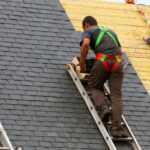
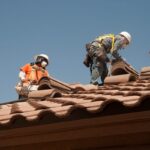
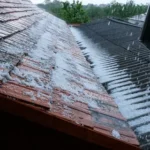
A strong and well-maintained roof is crucial for protecting your home from weather, leaks, and structural damage. Roof repair ensures your house remains safe, energy-efficient, and visually appealing. Whether it’s a minor leak or significant damage, timely roof repair can save you from costly replacements in the future.
Why Roof Repair is Important
Roof repair is not just about aesthetics; it protects your home from potential hazards. Damaged shingles, leaks, or worn-out materials can lead to water damage, mold growth, and weakened structural integrity. Ignoring these issues may result in more extensive damage that requires full roof replacement. Regular inspections and prompt repairs extend the lifespan of your roof and maintain your home’s value.
Common Signs You Need Roof Repair
Identifying early warning signs can prevent major problems. Some common indicators include:
- Leaks and Water Stains: Water spots on ceilings or walls indicate leaks that require immediate attention.
- Missing or Damaged Shingles: Shingles protect your roof from harsh weather; broken or missing shingles compromise this protection.
- Sagging Roof: A sagging roof may indicate structural issues caused by water damage or weakened support.
- Granule Loss: Asphalt shingles lose granules over time; excessive loss reduces roof durability.
- Moss or Algae Growth: Moist environments can cause moss growth, leading to material decay.
Regular inspection is key to spotting these issues early and preventing expensive repairs.
Types of Roof Repairs
Roof repair methods vary depending on the material and damage severity:
- Shingle Replacement: Damaged or missing shingles are replaced to prevent leaks and maintain appearance.
- Leak Repair: Small leaks are patched with waterproof sealants or by replacing damaged sections.
- Flashing Repair: Metal flashing around chimneys or vents is repaired to prevent water infiltration.
- Roof Coating: Protective coatings are applied to extend the life of flat or low-slope roofs.
- Structural Repair: In severe cases, support beams or decking may need reinforcement to restore roof integrity.
Choosing the right repair method depends on inspection findings and roof type.
DIY vs Professional Roof Repair
While minor repairs like patching small leaks or replacing a few shingles can be done by homeowners, professional roof repair is recommended for larger or complex issues. Certified roofing contractors have the experience, tools, and safety equipment to handle:
- Extensive damage
- Roof inspections
- Roof replacement planning
- Warranty-approved repairs
Professional services ensure long-term durability and peace of mind.
Cost of Roof Repair
Roof repair costs depend on the type of repair, roof size, and material. Minor repairs may cost a few hundred dollars, while major structural repairs can reach thousands. Investing in timely repair reduces the risk of complete roof replacement and prevents damage to your home’s interior.
Preventive Maintenance Tips
Regular maintenance reduces the need for frequent roof repairs:
- Inspect your roof twice a year and after storms.
- Clean gutters to prevent water buildup.
- Trim overhanging tree branches to avoid damage.
- Remove debris like leaves or branches promptly.
- Apply protective coatings to extend roof life.
These practices help detect issues early and maintain a healthy roof.
Conclusion
Roof repair is essential for protecting your home and ensuring its longevity. Whether it’s a small leak or significant damage, addressing problems early prevents costly replacements and structural issues. By understanding the signs of damage, repair options, and preventive measures, homeowners can keep their roofs strong and durable for years to come.