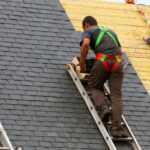
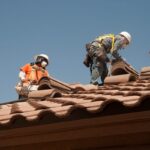
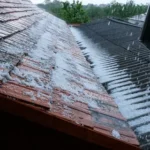
Roof replacement is one of the most important investments a homeowner can make. Your roof protects your home from weather damage, improves energy efficiency, and plays a major role in curb appeal. Over time, even the best roofing systems wear out due to age, storms, and constant exposure to the elements. Knowing when and how to replace your roof can save you from costly repairs and long-term structural damage.
This complete guide explains what roof replacement involves, when it is needed, available roofing materials, costs, benefits, and how to choose the right roofing contractor.
What Is Roof Replacement
Roof replacement is the process of removing an existing roof and installing a brand-new roofing system. Unlike roof repair, which fixes isolated damage, roof replacement addresses widespread issues such as aging materials, leaks, rot, or storm damage. It ensures your home receives a fresh, durable, and long-lasting roofing structure.
In most cases, roof replacement includes removing old shingles, inspecting the decking, repairing damaged areas, installing underlayment, and placing new roofing materials.
Signs You Need a Roof Replacement
Many homeowners delay roof replacement until serious problems appear. However, recognizing early warning signs can prevent interior damage and expensive repairs.
Common signs that indicate the need for roof replacement include curling or missing shingles, cracked or broken roofing materials, frequent leaks, sagging rooflines, water stains on ceilings, mold or mildew growth, and excessive granules in gutters. A roof that is over 20 to 25 years old often requires replacement, even if it looks fine from the ground.
If you notice rising energy bills, it may also indicate poor insulation caused by a failing roof.
Benefits of Roof Replacement
Replacing your roof offers more than just protection. One of the biggest benefits is improved safety. A new roof prevents water intrusion, structural damage, and mold growth. It also boosts energy efficiency by improving insulation and ventilation, which helps regulate indoor temperatures.
Roof replacement significantly enhances curb appeal and increases property value. Homebuyers often prioritize properties with newer roofs, making replacement a smart investment if you plan to sell your home. Modern roofing materials are also more durable, weather-resistant, and environmentally friendly than older options.
Types of Roofing Materials for Replacement
Choosing the right roofing material is essential for long-term performance and appearance. Asphalt shingles are the most popular choice due to affordability, durability, and ease of installation. They are available in various colors and styles to match different home designs.
Metal roofing is another excellent option known for longevity and energy efficiency. It reflects heat, resists fire, and can last 40 to 70 years with proper maintenance. Tile roofing, including clay and concrete tiles, offers a distinctive look and exceptional durability, especially in hot climates.
Wood shingles provide a natural and rustic appearance but require more maintenance. Slate roofing is a premium option known for its beauty and long lifespan, often exceeding 75 years.
Roof Replacement Process Explained
Understanding the roof replacement process helps homeowners prepare for the project. The process typically begins with an inspection and consultation to assess the condition of the existing roof and recommend materials.
Once materials are selected, the old roof is removed to expose the decking. The roofing contractor inspects the deck for rot or damage and makes necessary repairs. A protective underlayment is installed to prevent moisture penetration, followed by the new roofing materials.
The final step includes flashing installation, ventilation checks, cleanup, and a final inspection to ensure quality workmanship.
How Long Does Roof Replacement Take
The duration of roof replacement depends on the size of the roof, material type, weather conditions, and complexity of the project. Most residential roof replacements take one to three days to complete. Larger homes or premium materials may require additional time.
Professional roofing contractors work efficiently to minimize disruption while maintaining safety and quality standards.
Roof Replacement Cost Factors
The cost of roof replacement varies based on several factors. These include the size and slope of the roof, choice of materials, labor costs, removal of old roofing, and any structural repairs needed.
Asphalt shingle roof replacement is generally the most affordable option, while metal, tile, and slate roofs cost more due to materials and installation complexity. Additional costs may include permits, ventilation upgrades, and warranty options.
Although roof replacement may seem expensive, it is a long-term investment that prevents future repair costs and protects your home.
Roof Replacement vs Roof Repair
Deciding between roof replacement and repair depends on the extent of damage. Roof repair is suitable for minor issues such as small leaks or isolated shingle damage. However, repeated repairs often indicate deeper problems.
Roof replacement is the better choice when damage is widespread, the roof is nearing the end of its lifespan, or repairs are becoming frequent and costly. A new roof provides peace of mind and eliminates ongoing maintenance concerns.
Choosing the Right Roofing Contractor
Hiring a reliable roofing contractor is critical to a successful roof replacement. Look for licensed, insured, and experienced professionals with positive customer reviews. A reputable contractor provides a detailed estimate, clear communication, and written warranties.
Avoid choosing a contractor solely based on price. Quality workmanship, proper installation, and long-term durability matter more than short-term savings.
Roof Replacement and Energy Efficiency
Modern roof replacement options significantly improve energy efficiency. Reflective roofing materials reduce heat absorption, lowering cooling costs during warm months. Proper ventilation and insulation prevent heat loss in colder seasons.
Energy-efficient roofing systems help maintain comfortable indoor temperatures year-round and reduce strain on HVAC systems.
When Is the Best Time for Roof Replacement
Roof replacement can be done year-round, but mild weather conditions are ideal. Spring and fall are often preferred due to moderate temperatures and minimal weather interruptions. Summer is also a popular time, although extreme heat may affect scheduling.
Emergency roof replacement may be necessary after severe storms, hail damage, or fallen debris, regardless of the season.
Maintenance After Roof Replacement
Once your roof is replaced, regular maintenance helps extend its lifespan. Routine inspections, gutter cleaning, and prompt repairs of minor issues prevent long-term damage. Keeping branches trimmed and removing debris reduces the risk of surface wear.
Most modern roofing systems require minimal maintenance, especially when installed correctly by professionals.
Roof Replacement Warranties
Roof replacement typically comes with manufacturer warranties and workmanship warranties. Manufacturer warranties cover defects in roofing materials, while workmanship warranties protect against installation errors.
Understanding warranty terms ensures long-term protection and adds value to your investment.
Conclusion
Roof replacement is a vital home improvement project that enhances safety, comfort, and property value. Whether your roof is aging, damaged, or no longer energy efficient, replacing it provides long-lasting protection and peace of mind.
By understanding the signs, benefits, materials, costs, and process, homeowners can make informed decisions and choose the right roofing solution for their needs. A professionally installed roof replacement ensures durability, performance, and confidence for years to come.