Choosing the Right Roofing Contractor: 6 Factors
Call directly(737) 230-7099Tell us what you need.
Takes about a minute. We'll follow up within one business day. No pressure, no upsells.
Why Choose Over and Above Contracting for Choosing the Right Roofing Contractor: 6 Factors
When it comes to protecting your home, your roof is your first line of defense. Hiring the right roofing contractor isn't just about cost — it's about trust, quality workmanship, and long-term peace of mind. Below, we share the six most critical factors to consider when choosing a roofing contractor for your next project. These insights will help you make a well-informed, confident decision.
At Over and Above Contracting, we built this company on the belief that homeowners deserve straight answers, licensed work, and a crew that treats every job like it's their own home. Use this guide to hold any contractor — including us — to the standard your roof deserves.
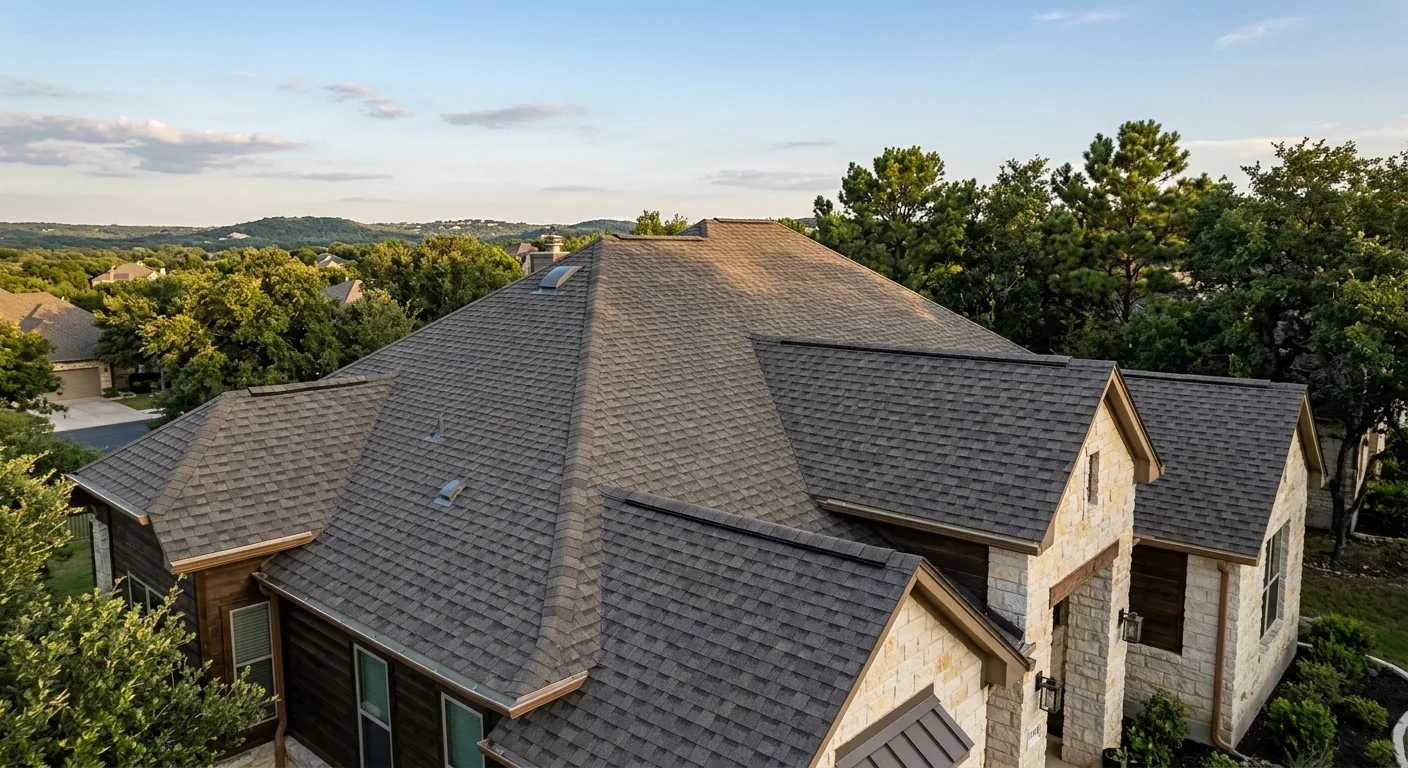
AI-generated roofer image for choosing-the-right-roofing-contractor-6-factors-to-consider
1. Verify Licensing, Insurance, and Bonding
Before hiring any contractor, verify their legal credentials. A licensed roofing contractor has met the standards set by state or local authorities — which establishes a baseline of competence and professionalism. Ask for proof of insurance and confirm it's current. Never take a contractor's word for it alone; verify directly with the issuing institution.
Unlicensed or uninsured contractors can leave you vulnerable to lawsuits, property damage, and substandard work. A legally compliant contractor provides financial and legal protection in case of accidents or disputes — and in Texas, that protection matters.
AI-generated roofer image for choosing-the-right-roofing-contractor-6-factors-to-consider
2. Evaluate Local Experience and Reputation
A local roofing contractor brings more than a nearby address. They know your regional climate, local building codes, and the permit process in your municipality. They're also easier to reach if something comes up after the job is done.
Local contractors rely on word-of-mouth and neighborhood referrals to stay in business. That accountability keeps them honest. If you're in Central Texas, look for a contractor familiar with Williamson County's hail patterns and the specific code requirements in your city. Check reviews from local homeowners and ask for references from jobs completed nearby. A contractor rooted in the community is more likely to stand behind their work long after the crew has packed up.
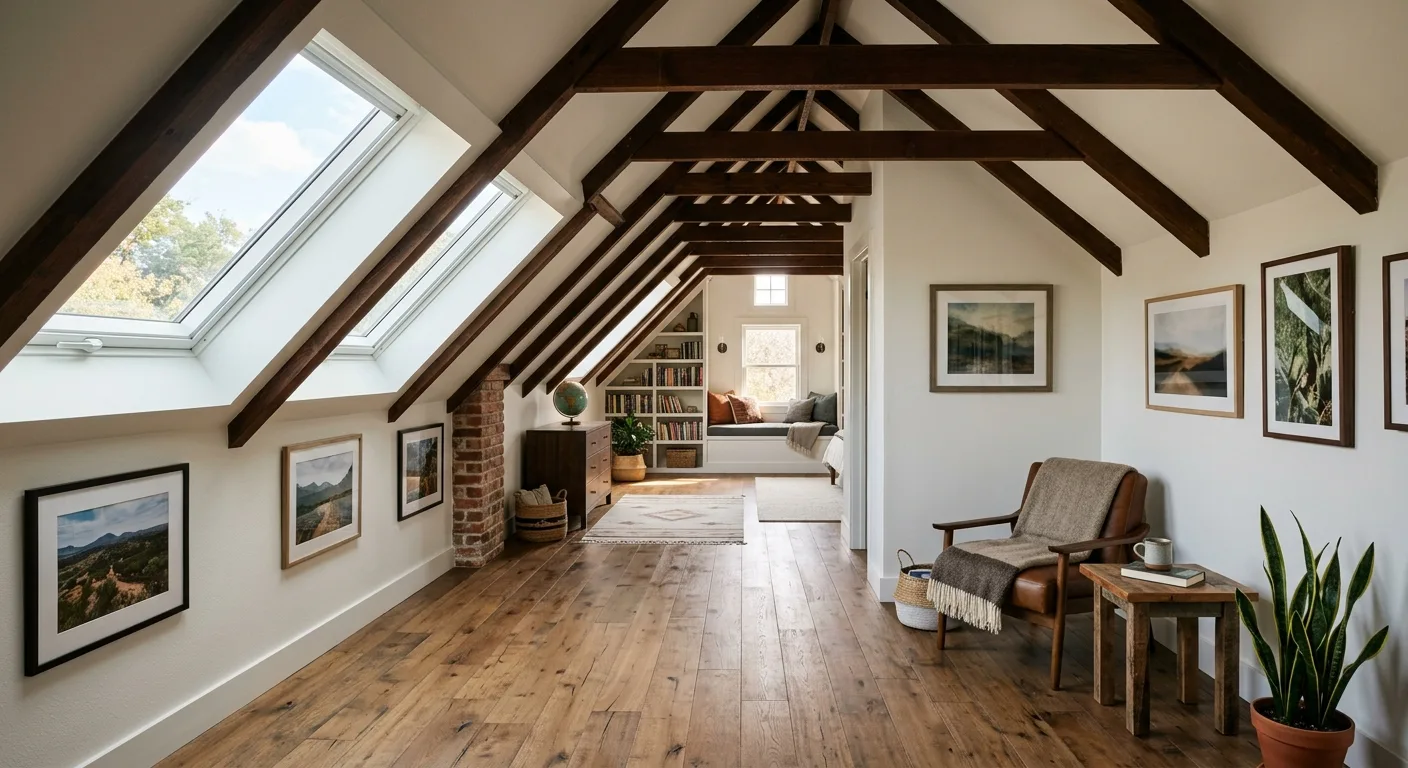
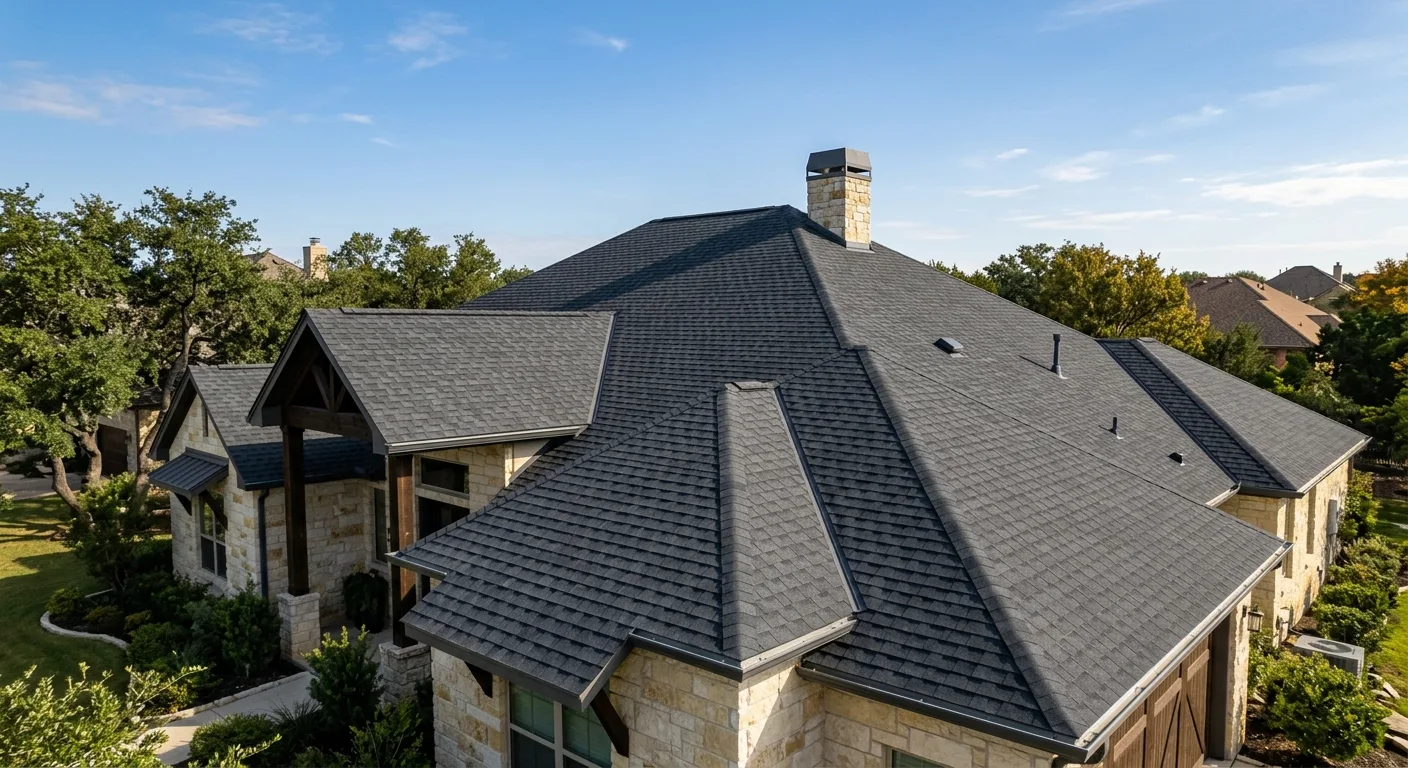
AI-generated roofer image for choosing-the-right-roofing-contractor-6-factors-to-consider
3. Prioritize Experience and Specialization
Experience isn't just years in business — it's relevant, hands-on expertise in the type of roofing project you need. An experienced contractor can handle unexpected challenges, navigate local regulations, and apply the correct installation methods for your specific roofing system.
Ask whether the contractor holds manufacturer certifications. GAF, Owens Corning, and CertainTeed all offer contractor certification programs that require demonstrated installation expertise. These certifications aren't just marketing — they often unlock extended manufacturer warranties that go beyond standard coverage.
Also ask about the technology they use. Contractors who deploy drones for roof inspection, advanced moisture detection equipment, and thermal imaging cameras give you more accurate assessments — and that accuracy protects you during both the estimate and the insurance claim process. For residential roofing projects especially, the difference between a certified and uncertified installer can show up years down the road.
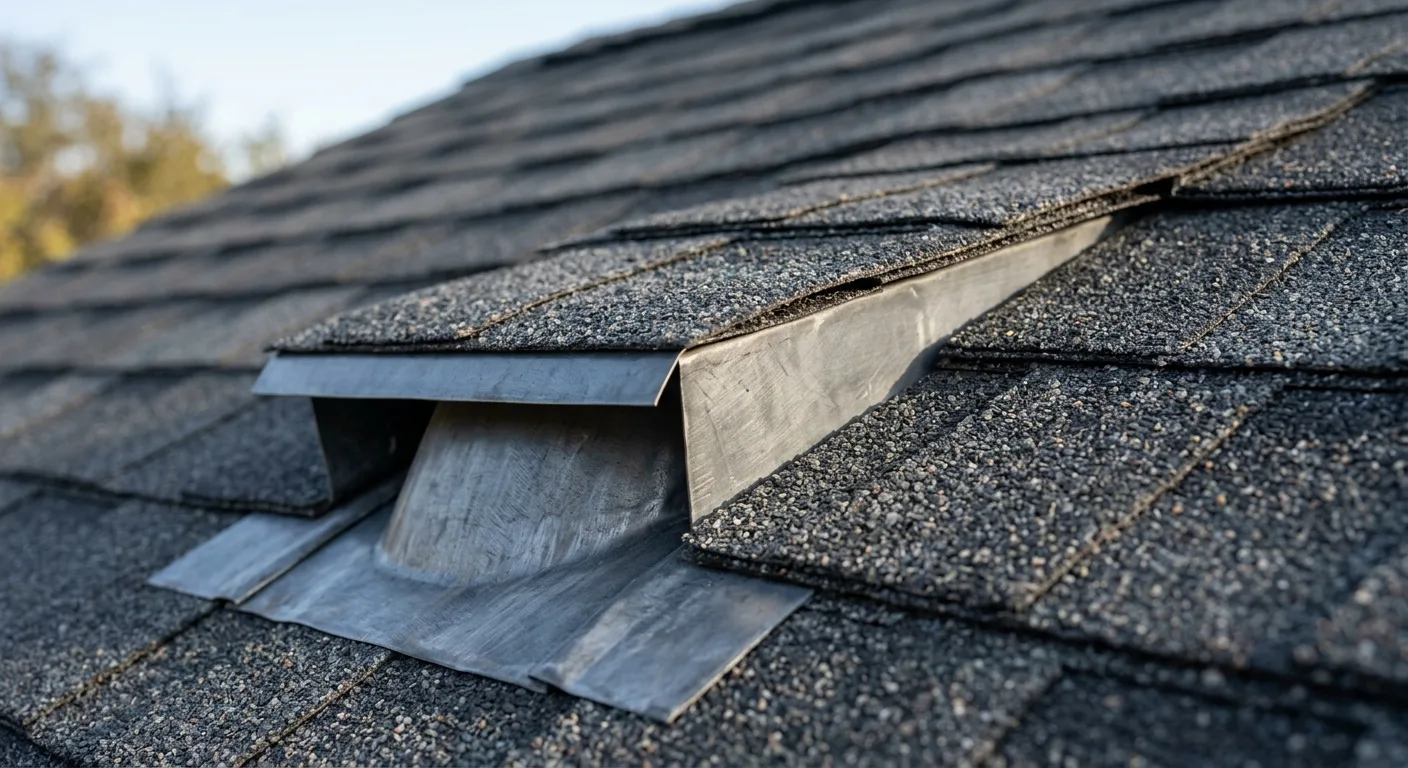
AI-generated roofer image for choosing-the-right-roofing-contractor-6-factors-to-consider
4. Examine Written Estimates and Contracts in Detail
A trustworthy contractor will always provide a detailed, written estimate that covers every aspect of the job. Never accept a vague quote or verbal agreement. The estimate should specify materials, labor, scope of work, project timeline, cleanup responsibilities, and payment terms.
If anything is unclear in the contract, ask. A contractor who gets defensive about contract questions is telling you something. Compare estimates across contractors — but don't choose on price alone. A low bid that omits key line items will cost you more when those items show up mid-project. For roof replacement and repair jobs in particular, the scope can shift once a crew gets on the roof. A solid contract protects both sides.
AI-generated roofer image for choosing-the-right-roofing-contractor-6-factors-to-consider
5. Understand Warranty Coverage
There are two types of warranties to ask about: manufacturer warranties and workmanship warranties. Manufacturer warranties cover the materials themselves — shingles, underlayment, and related components. Workmanship warranties cover the quality of the installation. Both matter.
A contractor certified by GAF, Owens Corning, or CertainTeed can offer extended manufacturer warranties that a non-certified installer cannot. Workmanship warranties vary widely — some contractors offer one year, others offer ten or more. Ask specifically what's covered, what voids the warranty, and who you contact if a problem appears six months after the job is done.
AI-generated roofer image for choosing-the-right-roofing-contractor-6-factors-to-consider
6. Watch for Red Flags
Certain contractor behaviors should stop you cold. High-pressure sales tactics, a demand for large upfront payment, no physical business address, or an unwillingness to put anything in writing are all warning signs. After major hail events in Central Texas, storm-chasing crews from out of state flood the market — contractors who were nowhere before the storm and will be gone before warranty issues surface.
A contractor who pressures you to sign on the spot, offers to waive your insurance deductible, or discourages you from getting a second opinion is not operating in your interest. If you've had recent storm damage, read our guide on storm restoration vs. standard roof repair before you make any decisions. The right contractor will give you time to think.
Making the Right Call
Choosing a roofing contractor takes more than a Google search. License verification, local reputation, relevant experience, clear contracts, solid warranties, and an honest read on the contractor's behavior — these six factors together give you a complete picture. If you're a homeowner in Round Rock or anywhere in Central Texas and you want a straight conversation about what your roof actually needs, contact us or call Mike directly at (737) 230-7099. No pressure, no jargon — just an honest assessment from a contractor who lives and works in the same community you do.
Frequently Asked Questions
What credentials should a roofing contractor show me before I sign? +
Is the lowest roofing bid usually the right one? +
What is the difference between a workmanship warranty and a manufacturer warranty? +
What are the biggest red flags when hiring a roofer? +
Related
You Might Also Need
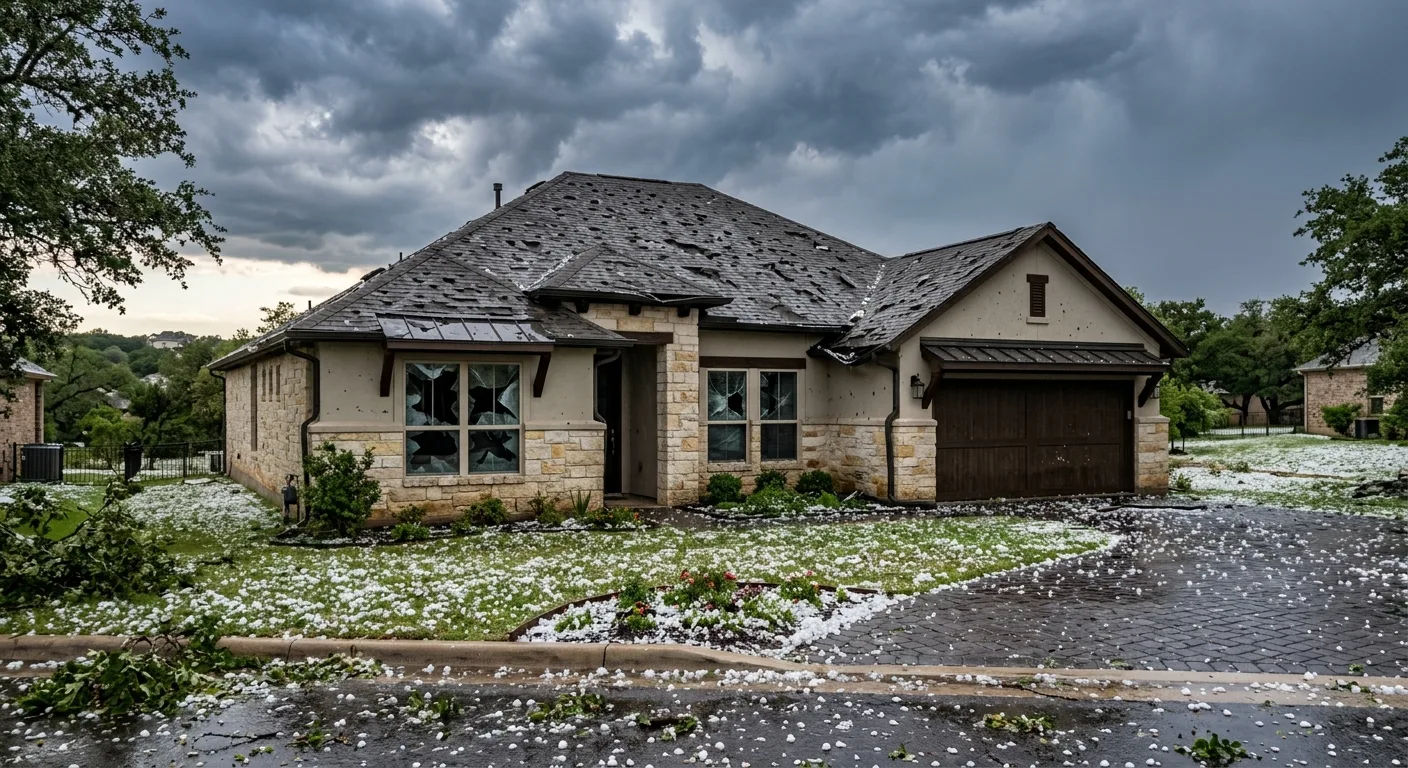
Hail And Storm Damage Restoration
Hail-damaged roof? Get it inspected before you call your insurer. Over and Above Contracting restores storm-damaged roofs right. Call Mike…
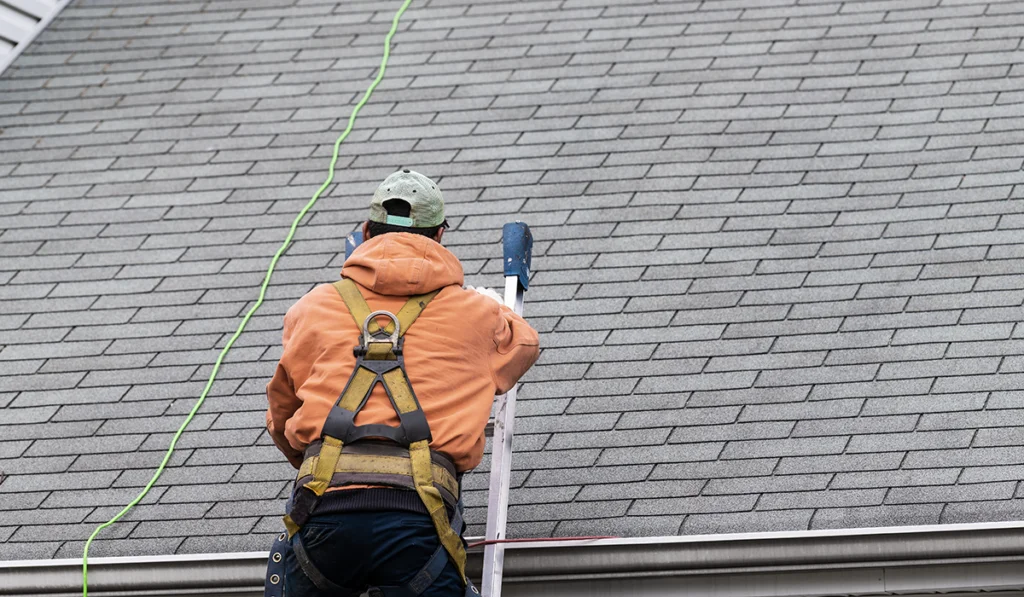
Reliable Repairs Emergency Roofing Services
Roof leaking after a storm? Here's what to do first. Over and Above Contracting responds fast, patches the damage, and protects your home.…
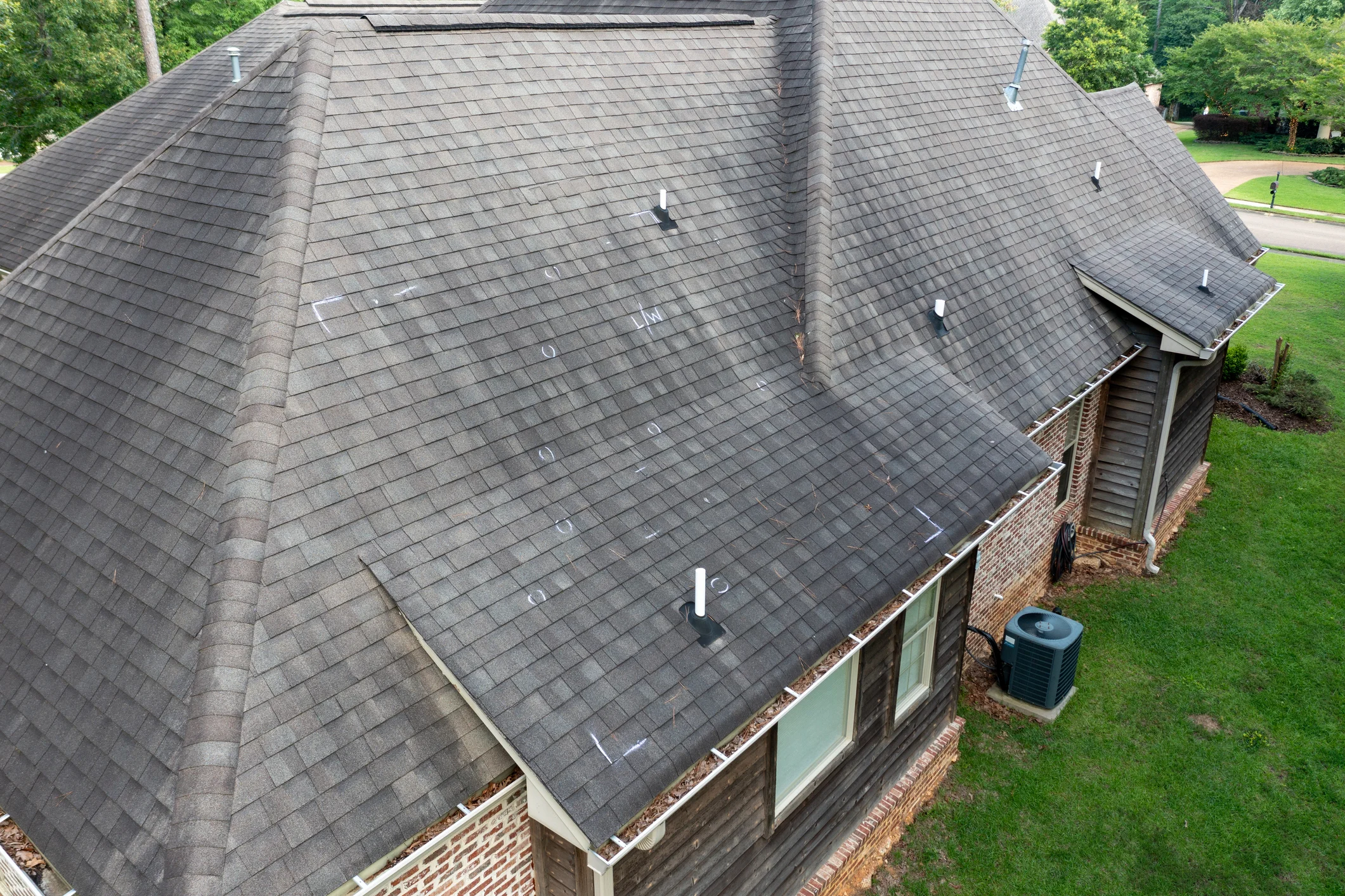
Residential Roofing Installation
New roof installation done right from decking to ridge cap. Get a free estimate from Mike Ennis at Over and Above Contracting. Call (737)…
From the Blog
Common Signs Your Roof Needs Storm Restoration After High Winds And Hail
High winds and hail can damage more than just shingles. Learn the warning signs your roof needs storm restoration — and when to call a Round…
Hidden Roof Damage Caused By Texas Hailstorms
Texas hail hides damage that shows up months later. Learn what to look for after a storm — and why a professional inspection protects your…
How Central Texas Summer Heat Ages Your Roof Faster
Central Texas summers push roof surfaces past 150°F. Learn how heat and UV damage asphalt shingles, what warning signs to watch for, and…