Checking hours… Round rock (737) 230-7099
Over and Above Contracting
Skylight Installation Done Right at the Flashing, Not Just the Glass
Family-owned · Round rock Local

Skylight Installation Done Right at the Flashing, Not Just the Glass

A skylight is a hole cut in your roof. What keeps it dry is the flashing, and that is exactly where most installs fail. Call Mike directly for a straight read.

Call directly(737) 230-7099
FreeEst.
Free Estimate

Tell us what you need.

Takes about a minute. We'll follow up within one business day. No pressure, no upsells.

No obligation · Responds within 1 business day

Round rock · Trusted Locally

Why Choose Over and Above Contracting for Skylight Installation Done Right at the Flashing, Not Just the Glass

Skylight installation is one of the few improvements that adds daylight to a room and a potential leak to your roof in the same afternoon, so how it is flashed matters more than the unit you pick. A skylight is a hole cut through your decking, and the curb flashing, apron, and head seal are the only things standing between that opening and your ceiling. The part most companies rush is exactly the part that fails first in Central Texas. Over and Above Contracting integrates the flashing into the shingle courses the way the roof is designed to shed water, so the install stays dry through the freeze-thaw swings and hard summer UV that break down a sloppy seal. Mike Ennis runs every job personally. If you are adding a skylight, replacing an old one, or chasing a leak around one, call (737) 230-7099.

Owner-operated out of Round Rock and serving Williamson County and the greater Austin metro, Over and Above has set, replaced, and re-flashed skylights on asphalt shingle, standing-seam metal, and low-slope roofs across Central Texas. Skylights are one of the most common roof-leak sources we get called to, and in this climate the failure is almost never the glass. It is the flashing sealant and the curb detail giving up years before the unit itself does. You get an honest read on whether a new install, a full unit replacement, or a targeted roof leak repair at the flashing is the right call. No upsell toward a job you do not need.

Skylight-ready modern metal roof installation on a residential home in Central Texas

Skylight Installation

Skylight installation runs one to two days for a standard residential job: cutting and framing the roof opening, setting the curb, integrating the flashing kit into the shingle courses, and finishing the interior light shaft and drywall. The single decision that drives everything is placement. A skylight on a north or east slope brings steady, even light without the brutal afternoon heat load a west-facing unit dumps into a room during a Central Texas summer.

The flashing is where an install lives or dies. A skylight comes with a manufacturer flashing kit sized to the unit, and it has to be woven into the shingles course by course, apron over the shingles below, step flashing up the sides, head flashing tucked under the shingles above. Done that way, the roof sheds water around the skylight exactly like it does anywhere else. Caulk smeared over the top of a curb is not flashing, and it is the number one reason a skylight starts leaking a year or two after a cheap install. Thinking about adding one? Get a free quote or call (737) 230-7099.

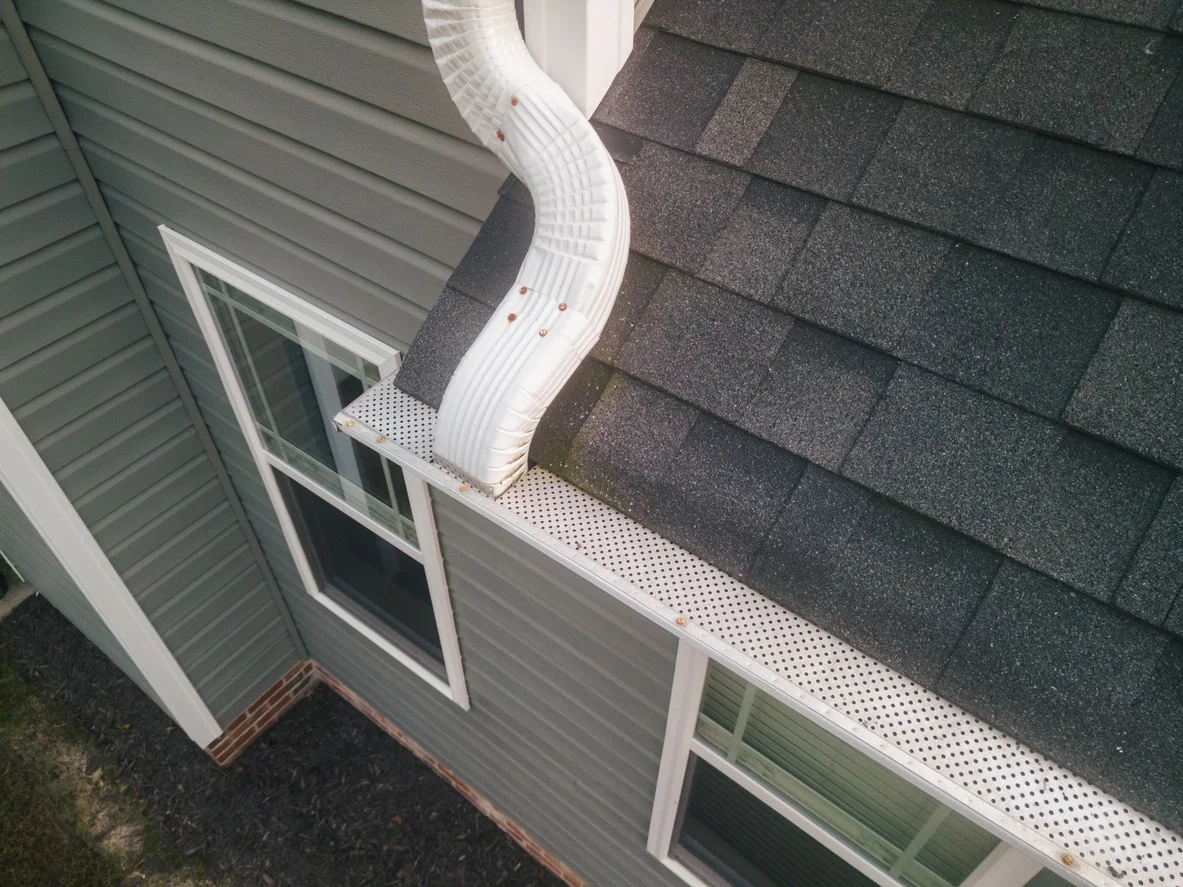
Skylight flashing and roof work being performed in Round Rock, TX

Types of Skylights We Install

Not every skylight is the same product, and the right type depends on the room, the roof, and how much light and ventilation you actually want. Here are the options we install and where each one fits.

Fixed Skylights

A sealed, non-opening unit. The simplest and most leak-resistant option because there are no moving parts or seals to fail. Best for high ceilings, stairwells, and rooms where you want daylight but not ventilation. Fewest long-term failure points of any skylight type.

Vented Skylights

Opens manually or on an electric or solar motor to let hot air escape. Genuinely useful in a Central Texas kitchen or bathroom where heat and moisture build up. The trade-off is one more seal and mechanism to maintain, so the flashing and the operable seal both have to be right.

Tubular Skylights

A small dome on the roof feeds daylight down a reflective tube into a diffuser in the ceiling. Perfect for hallways, closets, and interior baths with no exterior wall. Far less roof cutting than a traditional skylight, and a lower leak profile because the roof penetration is small and self-flashing.

Curb-Mounted Units

Sits on a built-up wood curb above the roof plane. The curb raises the glass above pooling water and debris, which is why we prefer it on low-slope roofs. The curb flashing is the critical detail and the one we check first on any curb-mounted leak.

Deck-Mounted Units

Mounts directly to the roof deck for a lower, cleaner profile on a pitched shingle roof. Relies on an integrated manufacturer flashing kit woven into the shingles. Great look on a steeper slope where water sheds fast and ponding is not a concern.

Impact and Low-E Glass

For Central Texas hail country, laminated impact-rated glass resists the stone strikes that crack a standard unit. Low-E coatings cut the summer heat gain that makes a poorly placed skylight miserable. We spec these on any south or west exposure where heat and hail are the real risks.
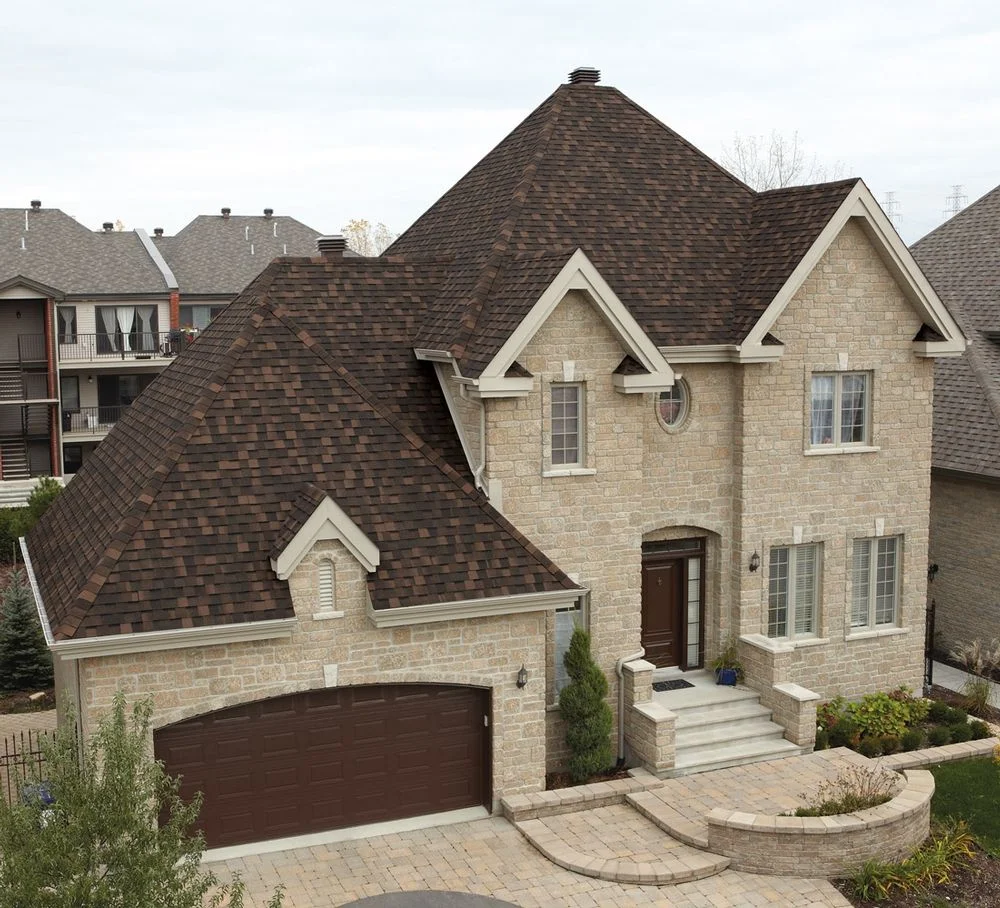
Architectural asphalt shingle roof where a skylight would be flashed into the courses

Skylight Replacement

Skylight replacement is the honest call when the old unit is fogging between the panes, the seal has failed, or the frame and flashing are too far gone to re-flash cleanly. Here is how a replacement typically goes and when it beats trying to nurse an old unit along.

1. Assess the existing unit. We check the glass seal, the curb, and the flashing condition. A foggy double-pane means the insulated seal is gone, and that is not repairable, it is a replacement. 2. Match the timing to your roof. If your roof is within a few years of replacement, the smart move is to replace the skylight at the same time as the roof replacement so the flashing gets integrated into a fresh shingle field once, not twice. 3. Pull the old unit and inspect the opening. Once the skylight is out, we check the decking around the opening for water damage. Long-term flashing leaks often rot the deck edge, and that gets repaired before the new unit goes in. 4. Set the new unit and re-flash from scratch. New flashing kit, woven into the courses correctly, new underlayment around the opening. The replacement is only as good as the flashing that goes back around it. 5. Finish the interior. Reseal and touch up the light shaft and drywall so the finished job looks right from inside, not just from the roof.

"If a skylight is fogged up between the panes, no repair fixes that. The seal is gone. Replacing it while we are already on the roof is cheaper than coming back after it leaks."

Replacing an old or failed skylight? Call (737) 230-7099 for a straight read on whether replacement or a re-flash is the right fix.

Skylight-ready modern metal roof installation on a residential home in Central Texas

Skylight Leak Repair

Skylight leak repair starts with the same truth behind every roof leak: the water almost never comes through the glass. It comes through the flashing. On the skylights we get called to across Round Rock and Williamson County, the leak is at the head flashing, the curb corners, or the apron where the flashing meets the shingles below, degraded by the same thermal cycling and UV that kills chimney flashing and pipe boots here. Because skylights are such a common roof-leak source, we trace the water to its real entry point before touching anything, the same way we handle any roof leak repair.

Where skylight leaks actually start:

- Head flashing at the top of the unit, where water sheeting down the slope backs up under a lifted or poorly tucked flashing - Curb corners, the hardest detail to flash and the first to open up as sealant ages - The apron flashing at the bottom, where debris dams water against the unit - The unit seal itself, when an old skylight has genuinely reached the end of its service life
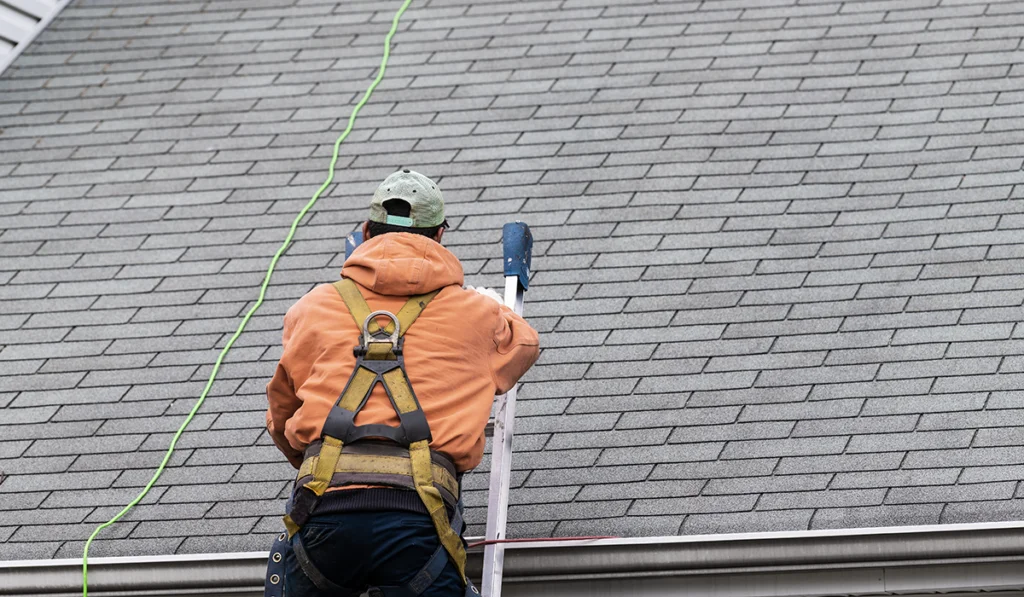
Skylight flashing repair work being performed on a residential roof in Round Rock, TX

The wrong fix is a bead of caulk smeared over the leak, which traps water and buys a few weeks. The right fix is pulling the failed flashing, correcting the detail that let water in, and re-integrating it into the shingle courses. For an active leak around a skylight, call (737) 230-7099 and we find where the water is really getting in. For broader flashing and shingle issues, see our roof repair page.

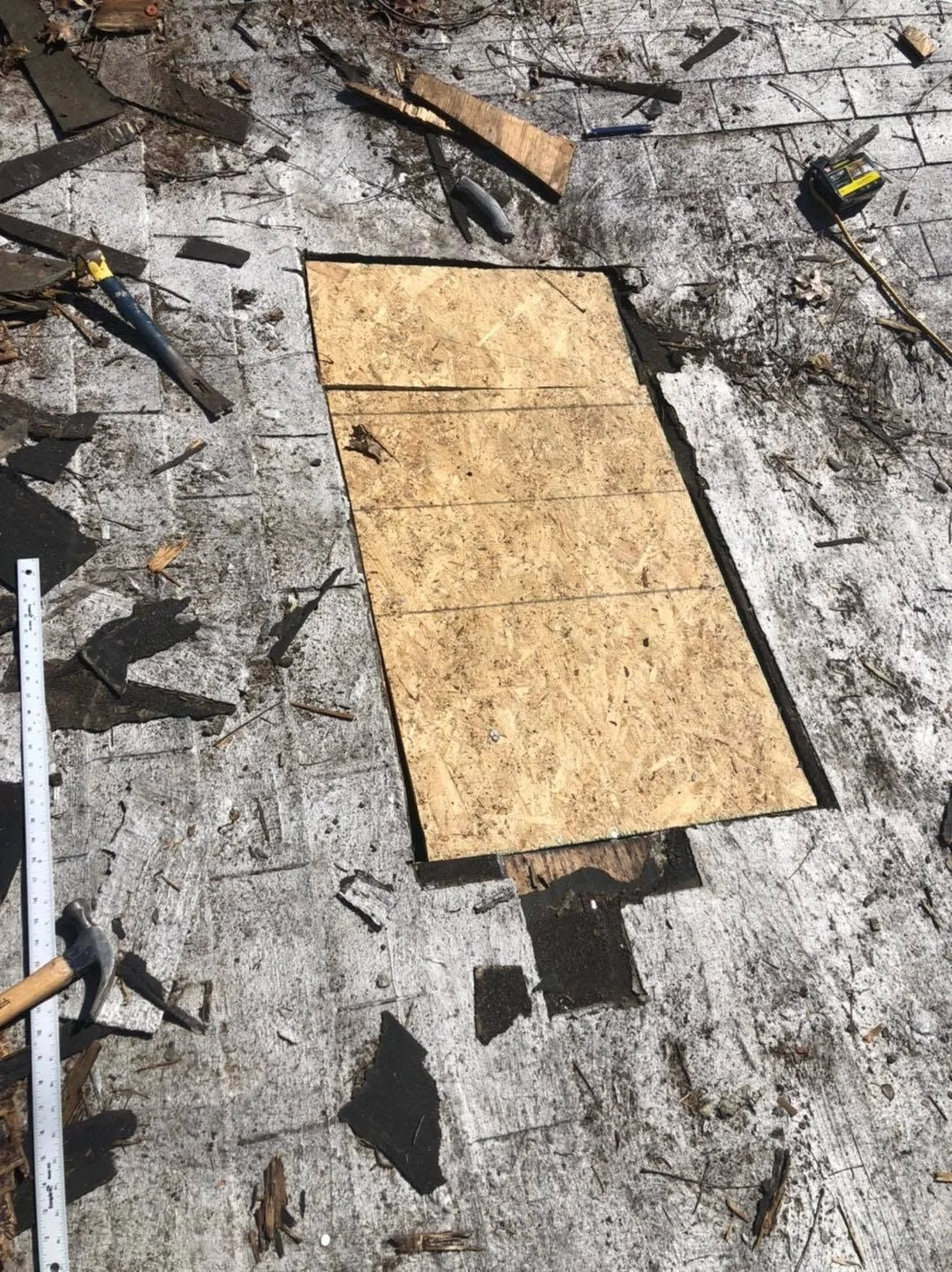
Skylight flashing and roof work being performed in Round Rock, TX

When a Skylight Is the Wrong Call

We will tell you honestly when a skylight is not the right move, even though it costs us the job. Skylights are a great fit on a sound roof with the right slope and exposure, and a poor fit in a few specific situations.

Don't add a skylight on a roof that is near the end of its life. Cutting a new opening into a 20-year-old shingle field means you will be re-flashing it again in a couple of years when the roof gets replaced, paying for the same detail twice. If your roof is close to replacement, wait and do both together. And skip a large fixed skylight on a west or south slope with no low-E or shading plan, in Central Texas that is a summer heat problem you will regret by July. A tubular unit or an operable vented model on a cooler exposure is often the smarter answer. If a skylight is the wrong fit for your roof, we will say so before you spend a dollar.

Add Daylight Without Adding a Leak

Whether you are adding daylight to a dark room, replacing a fogged-up old unit, or stopping a leak around a skylight you already have, the flashing is what makes it last. Call Mike at Over and Above Contracting for a free assessment and a straight answer on the right unit and the right fix. Call (737) 230-7099 or request a free quote.

Skylight-ready modern metal roof installation on a residential home in Central Texas
FAQ Common questions

Frequently Asked Questions

Answers below
How much does skylight installation cost? +
There is no flat price on skylight installation, because the cost is driven by the unit and the roof, not a single number. The real cost drivers are the type of skylight (a tubular unit is far less than a large vented one), the glass spec (impact-rated and low-E glass cost more but earn their keep in Central Texas hail and heat), your roofing material and pitch, whether it is a brand-new opening or a like-for-like replacement, and the interior finish work on the light shaft. A tubular skylight in a hallway is a modest job. A large vented unit with a framed light shaft and drywall is a bigger one. Over and Above gives you a free assessment and an accurate written scope before any number is set. Contact Over and Above Contracting for an accurate estimate.
Why do skylights leak, and is the leak the glass? +
Almost never the glass. Skylights leak at the flashing: the head flashing at the top, the curb corners, and the apron where the flashing meets the shingles below. In Central Texas, the thermal cycling from freezing nights to 100-plus summer days and the hard UV break down the flashing sealant years before the unit itself wears out. That is why skylights are one of the most common roof-leak sources we get called to. The fix is not caulk over the top, it is pulling the failed flashing and re-integrating it into the shingle courses correctly. If the leak is genuinely the unit seal on an old skylight, replacement is the honest answer.
Should I replace my skylight when I replace my roof? +
Usually yes, and here is why. A skylight's flashing has to be woven into the surrounding shingles, so the cleanest, longest-lasting install happens when the shingle field around it is brand new. If your skylight is more than about 10 years old, or the glass is fogging between the panes, replacing it during a roof replacement means the flashing gets integrated once into a fresh roof instead of cutting into new shingles a few years later. Doing both at the same time is meaningfully cheaper than two separate trips onto the roof, and it removes the most likely future leak point on your new roof before it becomes a problem.
What type of skylight is best for a Central Texas home? +
It depends on the room and the roof slope, but the climate narrows it down. For daylight without a heat problem, a fixed or vented unit on a north or east slope is the safest bet because it avoids the harsh afternoon sun load. On a west or south exposure, spec low-E, laminated, impact-rated glass to handle both the summer heat gain and Central Texas hail. For hallways, closets, and interior bathrooms with no exterior wall, a tubular skylight brings in light with a small, low-leak-risk roof penetration. On a low-slope roof, a curb-mounted unit that sits above pooling water is the right call. We match the type to your specific room and roof rather than pushing one product.

Related