
Family-owned · Round rock Local
Siding Installation and Repairs That Hold Up
Call directly(737) 230-7099FreeEst.
Free Estimate
Tell us what you need.
Takes about a minute. We'll follow up within one business day. No pressure, no upsells.
Round rock · Trusted Locally
Why Choose Over and Above Contracting for Siding Installation and Repairs That Hold Up
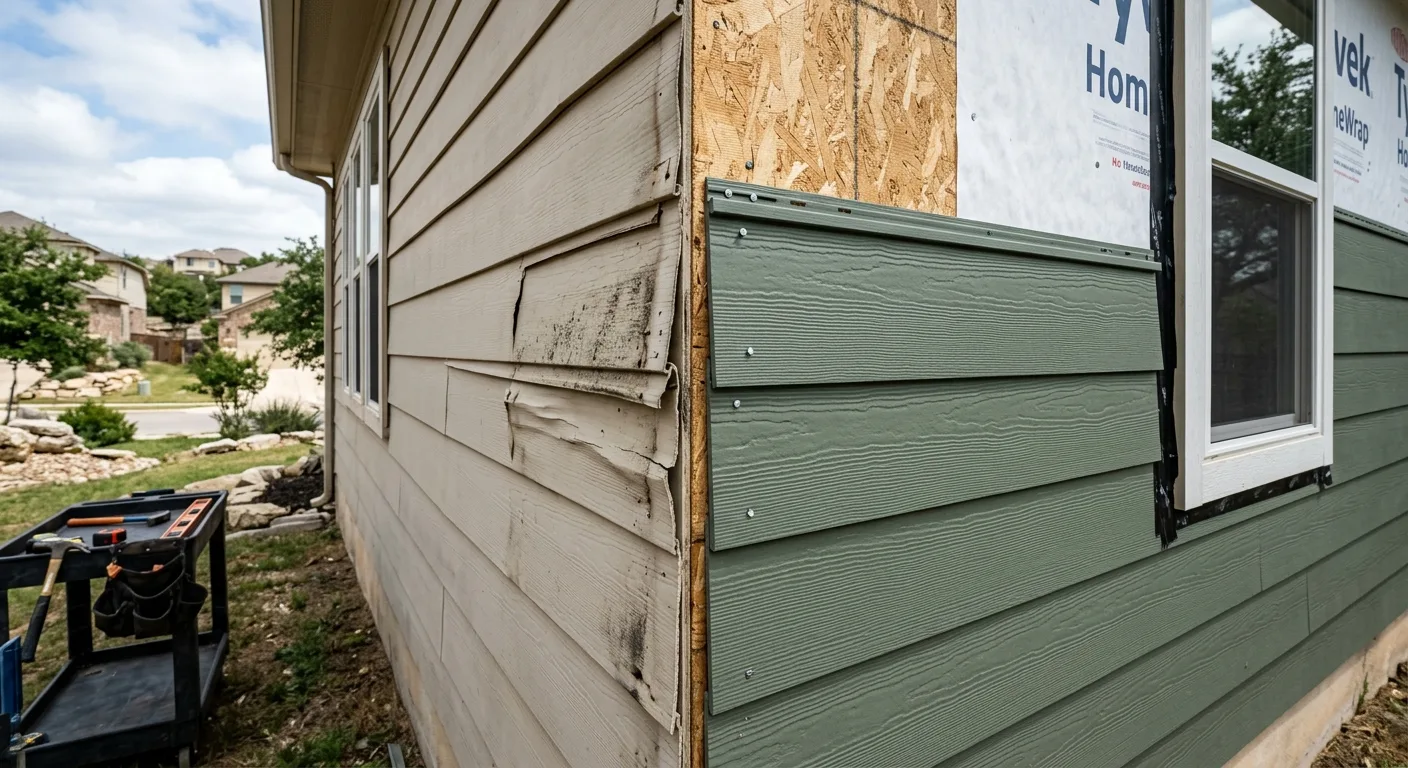
Siding issues don't fix themselves, and in Central Texas, they tend to get worse fast. Heat warps it. Hail cracks it. Moisture works its way behind it before you ever notice a problem on the surface. Whether you've got a few damaged panels or you're looking at a full exterior replacement, Over and Above Contracting handles both siding installation and siding repairs with the same attention we put into every roofing job. Call Mike directly at (737) 230-7099 for a straight answer and a free estimate.
Siding repair costs vary more than most people expect. A handful of cracked or missing panels runs far less than replacing an entire exterior, but the scope can shift once we get a look at what's behind the damaged material. Full siding jobs on an average home can range anywhere from a few thousand dollars to well over $15,000 or more depending on material choice, square footage, substrate condition, and whether there's water damage underneath that needs to be addressed first. Fiber cement, vinyl, and engineered wood all carry different price points and different performance profiles. Every job is different. Contact Over and Above Contracting for an accurate estimate.
siding installation and repairs work — professional service in Round rock, TX
What Siding Problems Actually Look Like Up Close
Most homeowners notice the obvious stuff: a panel knocked loose after a storm, visible cracks, or paint that won't stop peeling. What they don't always see is the rot starting at the bottom course, the buckled boards where water got trapped under the surface, or the gaps at the corners where caulk has failed and wind-driven rain has been getting in for two seasons. Siding damage often looks minor on the surface and turns into a substrate problem the moment you pull the first board. That's not meant to scare you. It's just the truth of how exterior work goes. We'll tell you exactly what we find before any work starts. If you're also dealing with roof damage from the same storm, we can assess both at once.
siding installation and repairs work — professional service in Round rock, TX
Siding Installation: What the Process Looks Like
A proper siding installation isn't just nailing boards to a wall. The prep work matters as much as the material itself. We inspect the sheathing and housewrap condition before anything goes up. If the existing moisture barrier is compromised, we address that first. Skipping that step is how you end up with mold behind brand-new siding. Material selection depends on your home's existing profile, your budget, and how much maintenance you want long-term. Vinyl holds color well and needs almost no upkeep. Fiber cement is heavier and more impact-resistant, which matters in hail country. Engineered wood looks more traditional but requires more attention to paint and caulk over time. We'll walk you through the options without pushing you toward the most expensive one. For homes also getting a new roof, pairing residential roofing installation with siding work often saves time and money on labor and staging.
siding installation and repairs work — professional service in Round rock, TX
When to Repair vs. When to Replace
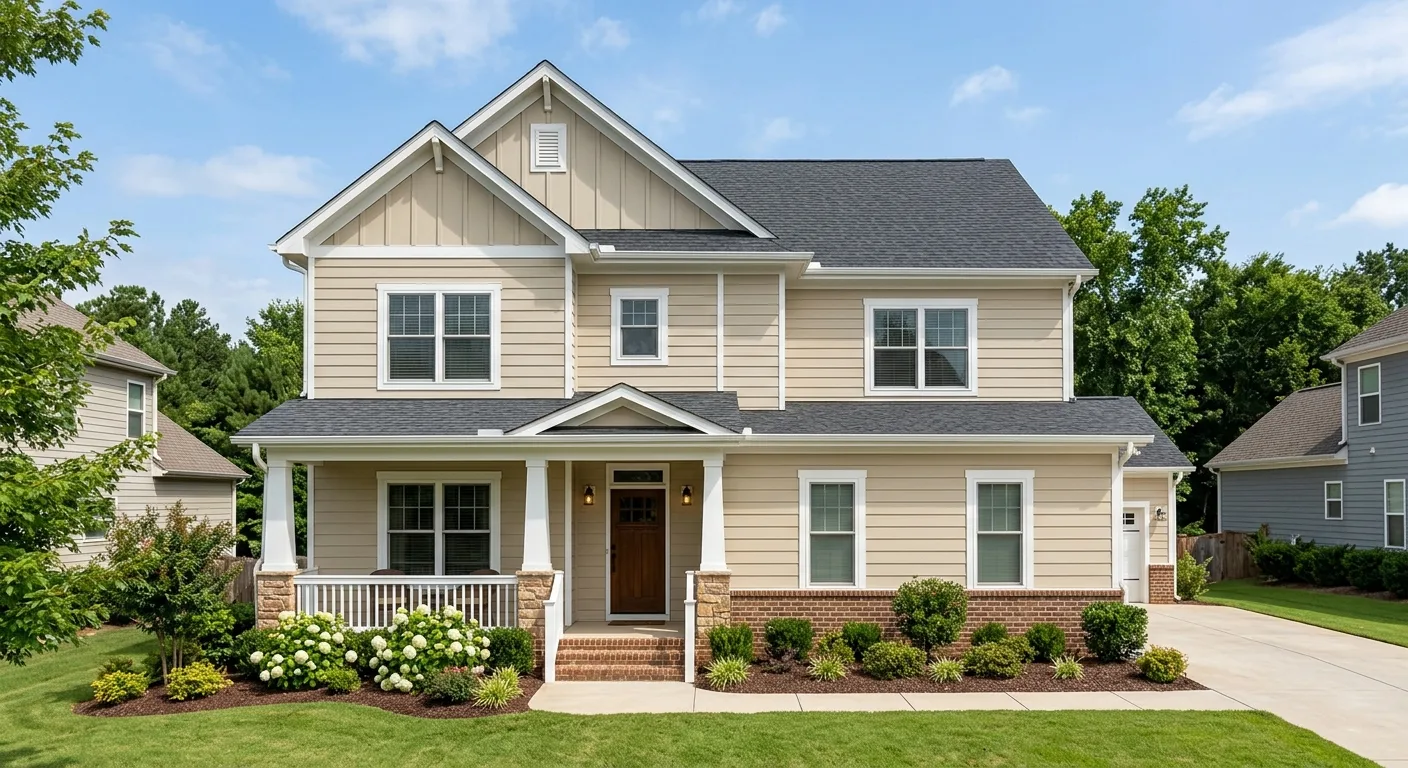
Replacing perfectly good siding because a few sections are damaged is a waste of money. We don't do that. If the damage is isolated, localized, and the surrounding material is sound, repair is the right call. We can replace individual panels, sections, or full walls without touching the rest. Replacement becomes the better option when the siding is past its lifespan, when damage is widespread after a major storm, or when matching material is no longer available and patchwork repairs would look worse than starting fresh. We'll give you an honest read on which one applies to your situation. If a storm took out both your roof and your siding, check out what storm restoration vs. standard repair actually involves before you start calling companies.
siding installation and repairs work — professional service in Round rock, TX
Why the Exterior Contractor You Pick Matters
After a major hail event, Central Texas gets flooded with out-of-state crews working fast and moving on. Some of them do decent work. A lot of them don't, and you won't find out until water shows up inside your wall two winters later. Over and Above is a local operation run by Mike Ennis out of the greater Austin area. Mike's name is on every job. There's no franchised call center routing your request to whoever's available that week. You call, Mike picks up. If something isn't right after the job is done, you've got a real local contractor to call back, not an 800 number. That's not a slogan. That's how this works. See more about how Over and Above handles exterior home improvements beyond just siding.
siding installation and repairs work — professional service in Round rock, TX
What Drives Vinyl Siding Installation Cost
Vinyl siding installation cost comes down to a handful of variables, and knowing them ahead of time keeps the estimate from feeling like a mystery. Vinyl is the most affordable siding to install, which is a big part of why it's the most common exterior on newer homes across Round Rock, Pflugerville, and the north Austin suburbs. The material itself is light and fast to hang, so labor runs lower than heavier products. The number moves based on square footage, the number of stories, how many corners and windows break up the runs, and whether the crew has to strip old material and repair the substrate first. A straightforward single-story re-side on sound sheathing sits at the low end. Add a second story, complex gables, or hidden rot behind the old panels and the figure climbs.
One cost driver people forget is tear-off and disposal. Pulling old siding, hauling it off, and inspecting what's underneath is real labor before a single new panel goes up. If we find compromised housewrap or rotted sheathing, that repair happens before installation, and it affects the total. We spell that out on the estimate rather than surprising you mid-job. Want the actual number for your house? Call (737) 230-7099 and Mike will walk the exterior with you.
siding installation and repairs work — professional service in Round rock, TX
Fiber Cement Siding Installation and Why It Costs More
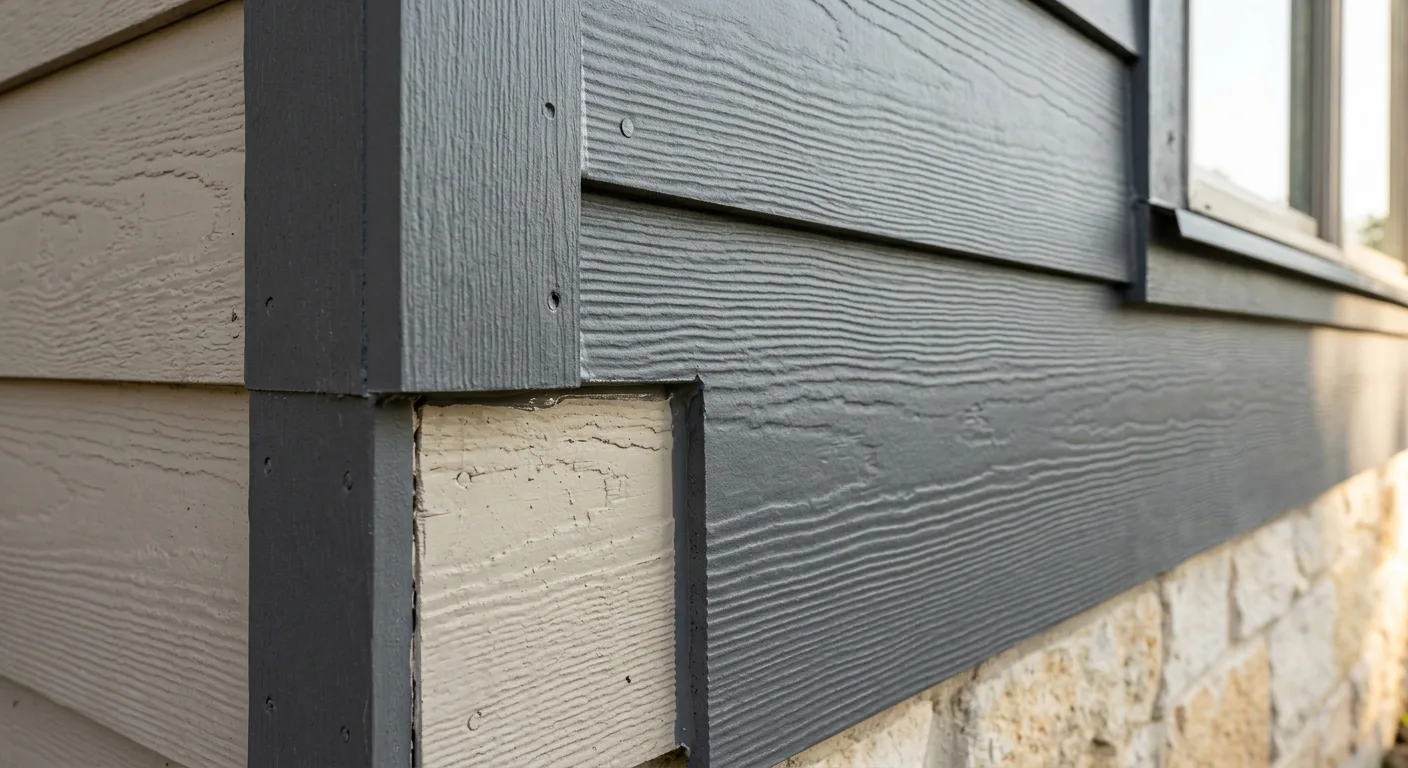
Fiber siding installation is a different animal from vinyl, and in hail country the difference matters. Fiber cement is dense, heavy, and impact resistant, which is exactly why it holds up better when Central Texas storms drop hail the size of a golf ball. It doesn't warp in sustained heat the way poorly installed vinyl can, and it takes paint well enough to hold color for years. The trade-off is cost. Fiber cement is heavier to handle, requires specialized cutting tools and fasteners, and takes more labor hours to install correctly, so both material and installation run higher than vinyl.
"In hail-prone parts of the Hill Country, we lean toward fiber cement when the budget allows. It costs more upfront, but it's the material that shrugs off the storms that put vinyl and engineered wood back on the repair list."
Proper fiber cement installation isn't optional detail work, it's the whole job. Cut edges have to be sealed, gaps have to be caulked, and fasteners have to hit the studs at the right depth or the boards crack over time. A crew rushing through fiber cement to hit a volume number leaves you with the same problems you were trying to avoid. We install it the way the manufacturer specs it, and our dedicated fiber cement page walks through the brands, flashing, and sealing details in more depth. If you're weighing fiber cement against vinyl for a full re-side, get a free estimate and we'll price both so you can compare honestly.
Siding Work We Handle
Panel-Level Repairs
Storm Damage Restoration
Moisture and Rot Remediation
Trim and Soffit Work
Get a Free Siding Estimate from Mike
Siding problems compound. The longer a damaged section sits open to weather, the more the repair scope grows. Call (737) 230-7099 to schedule a free on-site estimate. Mike will take a look, tell you what he finds, and give you a straight assessment of what it'll take to fix it right.
FAQ Common questions
Frequently Asked Questions
Answers below
What is the average cost to repair siding on a house? +
Repair costs depend heavily on material type, how many panels are affected, and whether there's substrate damage underneath. A minor repair involving a few cracked vinyl panels might run a few hundred dollars. Once rot or moisture intrusion is involved, the scope and cost grow. Fiber cement repairs typically cost more than vinyl because the material itself is heavier and harder to cut and match. Get an on-site assessment before budgeting. Every job is different. Contact Over and Above Contracting for an accurate estimate.
How much do contractors charge to install siding? +
Installation pricing is driven by material choice, square footage, and site conditions. Vinyl is generally the most affordable to install. Fiber cement costs more in labor because it's denser and requires different fasteners and cutting tools. Full exterior installs on a typical single-story home can run anywhere from a few thousand to $15,000 or more depending on those variables. Homes with complex rooflines, multiple stories, or damaged substrate underneath will fall toward the higher end. Every job is different. Contact Over and Above Contracting for an accurate estimate.
Can you replace just a few pieces of siding? +
Yes, and honestly that's the right call more often than a full replacement. Siding panels can be replaced section by section if the surrounding material is structurally sound and a reasonable color match is achievable. The main challenge is matching older siding profiles that may no longer be in production. If we can't get a close match, we'll tell you upfront rather than leave you with a patchwork exterior. Partial replacements are completely standard and don't require tearing out walls that don't need it.
How much does it cost to side a 2000 sq ft house? +
A 2,000 square foot house doesn't translate directly to 2,000 square feet of siding. Actual siding square footage accounts for wall height, overhangs, gable ends, and subtracts for windows and doors. On a typical two-story home of that size, expect the actual siding area to be somewhere in the 1,400 to 2,000 square foot range. Material and labor on a full re-side at that scale can range from roughly $8,000 to $20,000 or more depending on material. Every job is different. Contact Over and Above Contracting for an accurate estimate.
Does hail damage to siding qualify for an insurance claim in Texas? +
It can, and it's worth having it assessed before you assume it doesn't. Hail leaves dents and cracks in vinyl and chips the surface coating on fiber cement, which compromises weather resistance over time even when the damage isn't obvious from the street. Texas homeowners insurance policies vary on what storm damage they cover. We can document the damage thoroughly to support your claim. The roof hail damage guide on our blog covers what to look for after a storm if you want to understand the process before calling.
What siding material holds up best in Central Texas heat? +
Vinyl can warp in sustained extreme heat if it wasn't installed with adequate expansion gaps, which is a common installation error. Fiber cement handles heat better and doesn't expand and contract as dramatically through the seasons. Engineered wood is also a solid performer but needs properly maintained paint and caulk to keep moisture out, which is more of a commitment in a climate that swings between drought conditions and heavy spring storms. The right answer depends on your home, your budget, and how much ongoing maintenance you want to deal with.
Is vinyl or fiber cement siding cheaper to install? +
Vinyl is the more affordable option to install because the material is lighter and faster to hang, so labor hours run lower. Fiber cement costs more on both the material and the labor side. It's denser, requires specialized cutting tools and fasteners, and takes longer to install correctly. What you get for the higher price is impact resistance that matters in hail country and better heat stability through Central Texas summers. The right choice depends on your budget and how much storm exposure your home sees. We'll price both on the same estimate so you can compare the actual numbers side by side rather than guessing. Every job is different. Contact Over and Above Contracting for an accurate estimate.
How long does siding last in Central Texas? +
It depends heavily on the material and how well it was installed. Quality vinyl that was hung with proper expansion gaps can last 20 to 40 years in Central Texas, though sustained heat and hail exposure shorten that if the install was rushed. Fiber cement typically outlasts vinyl and holds up better against hail, often 30 to 50 years with occasional repainting. Engineered wood falls in between and depends on keeping paint and caulk maintained so moisture stays out. The biggest factor isn't the brand on the box, it's whether the substrate underneath stays dry. Water intrusion behind the panels is what actually ends most siding jobs early, which is why we inspect the housewrap and sheathing before any new material goes up.
Related
Explore
You Might Also Need
Fiber Cement Siding Installation
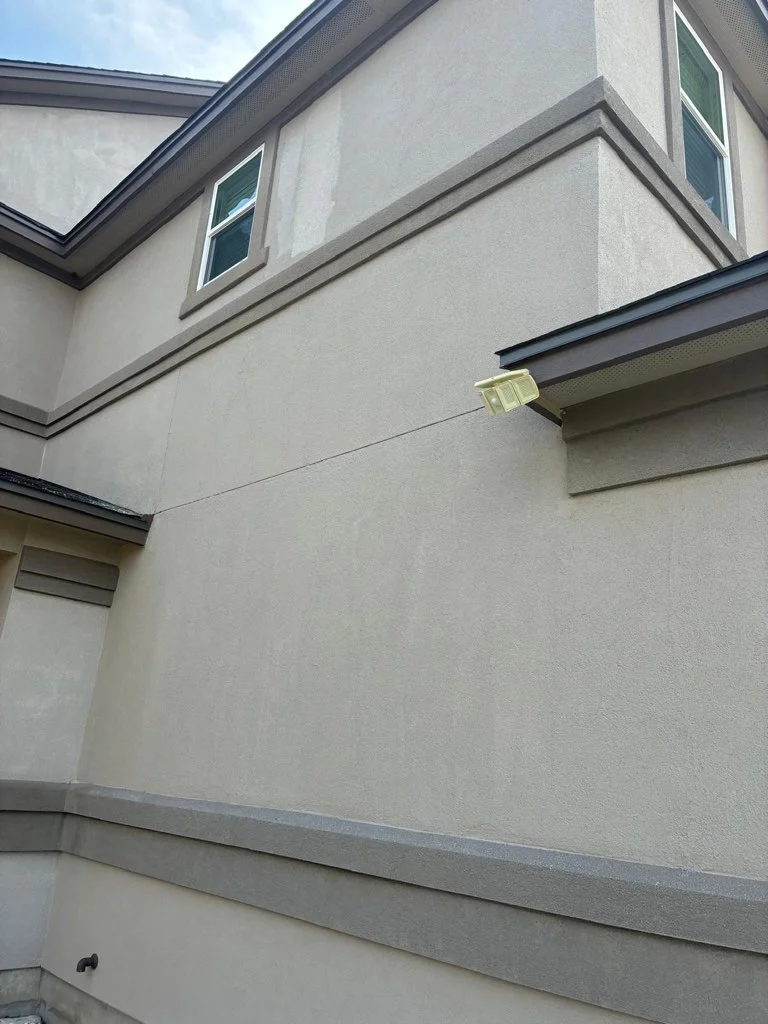
Fiber cement siding installation across Round Rock and Central Texas. James Hardie and comparable brands, flashed and sealed for our…
Metal Roof Installation
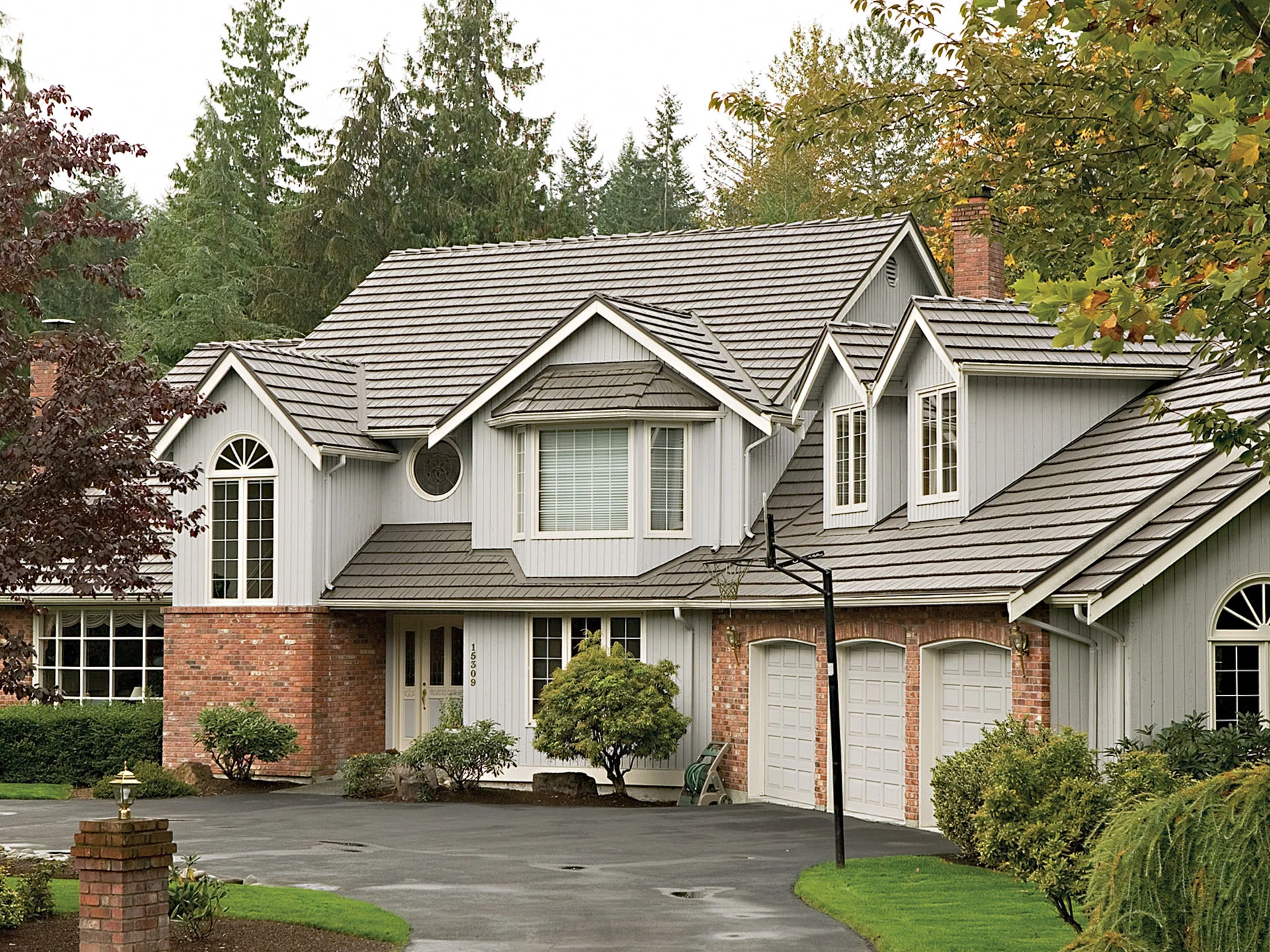
Standing-seam, metal-over-shingle, and ridge-cap metal roof installation for Salado, Round Rock, Temple, and Austin homes. Talk to Mike at…
Roof Inspection
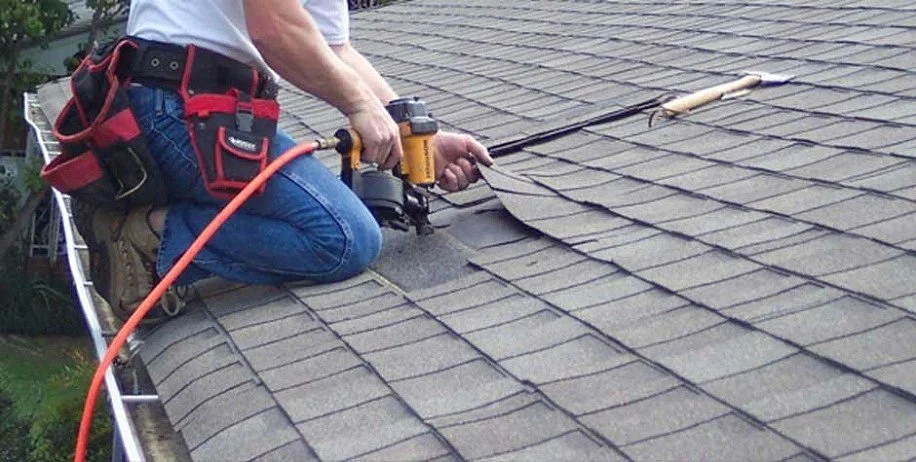
Free, no-cost roof inspection service in Round Rock and Central Texas. Certified visual and drone inspections, storm and hail assessments.…
Local
Areas We Serve
See the full service areaGuides
From the Blog
Summer Storm Season In Round Rock Is Your Roof Ready
Central Texas storm season can expose every weakness in your roof. Learn what to look for and how Over and Above Contracting can help before…
What Round Rock Homeowners Should Do After A Hailstorm Hits
Hail hit your Round Rock home? Here's exactly what to do first — from documenting damage to working with your insurance adjuster. A…
Why Immediate Storm Damage Roof Repairs Matter In Central Texas
Delaying storm damage repairs in Central Texas costs more than you think. Learn what happens when you wait — and why fast action protects…